OUR
PILLARS

Built to create impact from every angle

The Route of Water Foundation generates change in multiple directions at once: by improving water literacy, making infrastructure and urban systems easier to understand, supporting well-being through nature-based experience, and expanding access to clean tools for sustainable living.

Each pillar plays a distinct role, and together they form a complete ecosystem that turns awareness into practical action and long-term stewardship.

1) Publishing & Education (The Intellectual Foundation)

Our educational work begins with knowledge that is clear, useful, and accessible. We produce physical and digital publications through a Books on Demand model to reduce paper waste while keeping learning materials available when and where they are needed.

Academic Line
Curriculum-aligned books that strengthen water literacy, ecosystem understanding, and urban awareness for students and families.

Wellness & Energy Line
Publications exploring the human being as an organized energetic system, including “Somos Energía,” bridging biology with quantum physics and reinforcing the healing relationship between people and the natural environment.

Impact Focus
This pillar strengthens environmental literacy, supports lifelong learning, and builds the foundation for responsible decision-making in communities.

2) Media & Communication (Digital Consciousness)

We translate complex environmental and urban systems into stories that people can actually understand and share. This pillar turns technical information into accessible narratives for all ages, increasing awareness and encouraging informed participation in public life.

Audiovisual Production
Documentaries and reportage-style programs focused on infrastructure, renewable energy, water systems, and ecosystems.

Digital Micro-Education
Short-form educational content for social platforms, designed to spark curiosity, encourage responsible habits, and reach audiences consistently.

Educational Distribution
Distribution of educational audiovisual material via dropshipping to expand reach while keeping the model efficient and scalable.

Institutional Transparency
Direct interviews with authorities and experts at recycling plants and clean energy centers, bringing public management closer to the citizen through clarity and visibility.

Impact Focus
This pillar increases public understanding, strengthens trust through transparency, and makes environmental responsibility easier to adopt in daily life.

3) Sustainable Marketplace & Clean-Tech (Tools for Action)

Awareness becomes meaningful when people have access to tools that support real change. This pillar connects education to action through a commerce and representation platform that makes clean solutions more available and practical.

Educational Materials
Science experiment kits and school supplies focused on ecology, discovery, and hands-on learning.

Clean Technology
Representation and access to renewable energy products and clean-tech solutions for residential and commercial use.

Ecological Home Goods
Responsibly sourced household goods designed for low-impact living and everyday sustainability.

Impact Focus
This pillar helps communities move from learning to doing by increasing access to clean options and supporting the growth of the green economy.

4) Experience & Community (The Human Factor)

Real transformation happens when learning becomes lived experience. This pillar brings people into direct contact with the territory, encouraging deeper understanding, emotional connection, and long-term stewardship.

Eco-Tourism in New York
Experiential learning routes that explore water cycles, natural environments, and ecosystem relationships through guided discovery.

Veteran & Senior Legacy Programs
Programs supporting the mental and emotional well-being of veterans and older adults, honoring them as “keepers of wisdom” and integrating them into intergenerational stewardship efforts.

Impact Focus
This pillar supports well-being, strengthens community connection, and creates intergenerational responsibility rooted in respect, purpose, and nature-based healing.

One ecosystem, many outcomes

Together, these pillars build a foundation that is educational, practical, and human. The Route of Water is not only an initiative, but a structure designed to grow impact over time, strengthening communities through knowledge, clarity, clean solutions, and lived connection to the natural world.

Our Founder

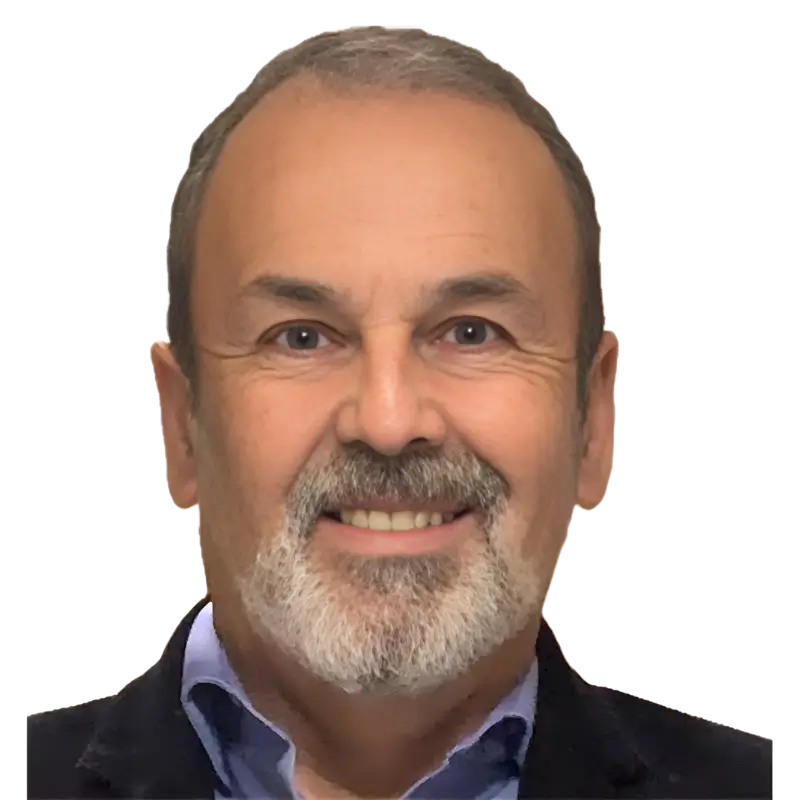
David Pinto Ribot is an environmental education innovator and sustainability advocate focused on water systems, ecological awareness, and interdisciplinary science communication. His formative experiences across the Pacific region, including Easter Island (Rapa Nui), the Atacama Desert, and the southern regions of South America, shaped his understanding of extreme ecosystems, oceanographic currents such as the Humboldt Current, and the interactions between geological, hydrological, and climatic processes.

Although his academic trajectory did not formally follow marine biology, his education has been grounded in field exploration, scientific curiosity, and environmental observation. Influenced by the scientific legacy of Jacques Cousteau and the Calypso expeditions, he developed a strong interest in marine systems, scuba diving, and ocean–climate dynamics.

David has participated in multidisciplinary scientific and technological initiatives related to electromagnetism and applied nuclear processes in agriculture. He holds certifications in environmental regulation and sustainability and is actively involved in projects aligned with global clean emissions frameworks, environmental technology deployment, and smart cities sustainability concepts inspired by multilateral development institutions.

He is the founder of The Route of Water Initiative, a global educational platform dedicated to water literacy, environmental science, and public engagement, and the Human Right Against Bullying Initiative, focused on social and educational equity. These initiatives are dedicated to his grandchildren, Vicente and Aylin, as a legacy project for future generations.
David is the author of several forthcoming works on environmental science, sustainability, and interdisciplinary science communication, including Zero Meters, Where the Water Meets, The Price of Scarcity: Economic Implications for AI Projects, When Biology Remembers Energy, The Quantum Nature of H₂O: Bridging Biology and Physics, The Water Within: Health by Drops, and a children’s sustainability book series currently in development.

His work integrates environmental science, education, technology, and public policy, with the objective of building scalable frameworks for environmental awareness, community engagement, and sustainable decision-making.

David Pinto Ribot.

TOP